
 Redakshon
Kralendijk,- Un estudio di kalidad di awa den Karibe Hulandes a identifiká varios riesgo importante relashoná ku kontaminashon di nutriente i kímiko peligroso den awa di laman di Boneiru. E Bonaire Nature Platform (BNP) ta di afirmá e resultadonan den e rapòrt i ta yama pa akshon urgente pa atendé ku e fuentenan di kontaminashon ku ta pone komunidad i ekosistemanan marino di e isla na riesgo.
Kontaminashon for di tera, impakto den laman
E estudio, kondusí pa Wageningen Marine Research en kolaborashon ku STINAPA Bonaire, Reef Renewal Foundation Bonaire i otro partnernan lokal, ta e evaluashon di kalidad di awa mas komprensivo ku a realisá te awor den Karibe Hulandes. E resultadonan ta mustra ku hopi di e preshon ku ta afektá e ambiante marino di Boneiru tin nan orígen riba tera, inkluyendo awa shushi, eroshon i otro formanan di kontaminashon ku ta drenta laman i ta afektá kalidad di awa negativamente.
“Kalidad di awa ta relashoná serkanamente na hopi di e desafíonan ambiental di Bonaire,” segun BNP a deklará. “Resolushon di kontaminashon lo aportá na esfuersonan relashoná ku kontrolo di eroshon, maneho di awa, restorashon di naturalesa, resilensia klimátiko i desaroyo sostenibel.”

Preshon Kresiente riba Ref
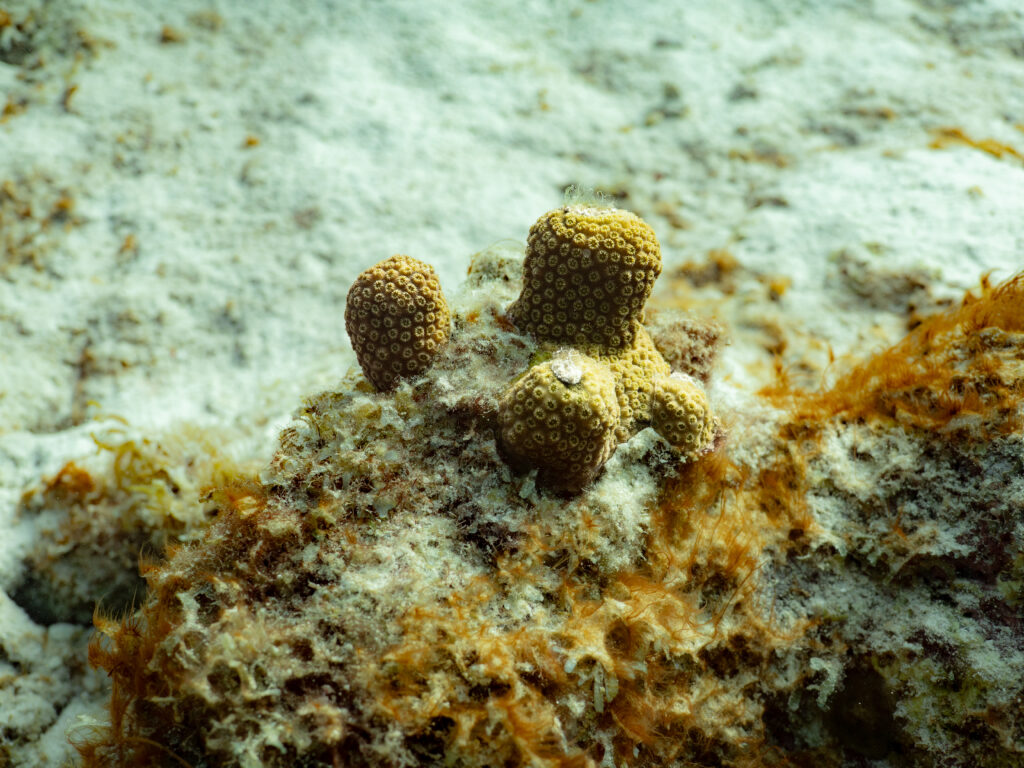
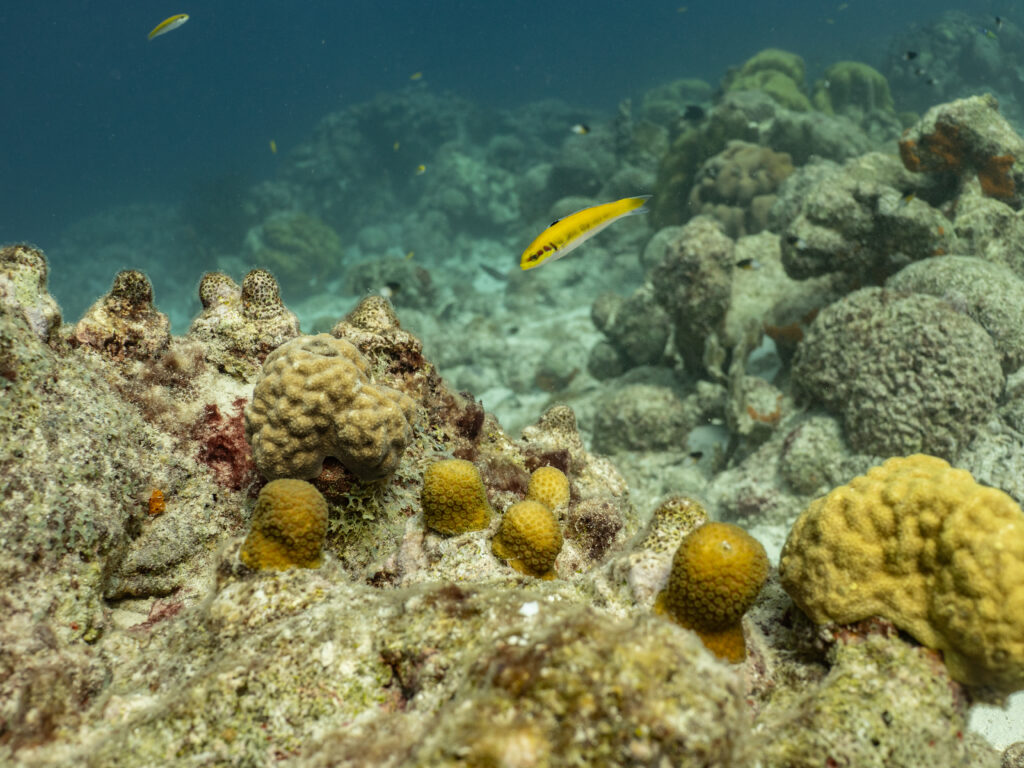
E investigashon a haña ku e nivelunan di nutriente den laman di Bonaire frekuentemente ta supera nivel konsiderá saludabel pa koral. Konsentrashon haltu di nutriente ta stimulá kresementu di lima, redusiendo e kapasidad di koralnan pa sobrebibi i rekuperá. Nivelnan elevá dii nutriente i kontaminashon kímiko kombiná ku temperaturanan di di laman ku ta subi i eventonan di blankeamentu di koral rekurrente ta redusí resiliensia di ref ainda mas.
Ref saludabel no ta solamente importante pa naturalesa, pero tambe pa ekonomia di Boneiru. Nan ta apoyá peskeria, ta atraé bishitantenan di rònd mundu i ta yuda protehá kosta di Bonaire. Sientífikonan ta konkluí ku redukshon di fuentenan lokal di kontaminashon ta un di e akshonnan mas efektivo ku nos por tuma pa mehorá e kalidad di e refnan di Boneiru.
Mas ayá di naturalesa: implikashon pa hende
Den e rapòrt tambe a identifiká nivel elevá di varios kontaminante kímiko dañiño den santu. E kontaminantenan aki ku por akumulá den organismanan marino i potensialmente drenta e kadena alimentario. Esaki ta enfatisá e nesesidat di investigashon adishonal di e impakto riba salubridad i bida marino.
BNP ta yama pa akshon
E Bonaire Nature Platform ta di akuerdo ku e konklushon i rekomendashonnan di e rapòrt. Entidat Publiko di Boneiru i gobièrno Hulandes ta yamá pa tuma akshon inmediato.
Spesifikamente BNP ta yama pa:
- Akshon desisivo pa atendé ku kontaminashon na su orígen, inkluyendo mehorashon na infrastruktua di maneho di sushi i desecho, akshon kontra dùmp ílegal, kumplimentu ku legislashon ambiental, i akshon kontra produktonan konteniendo kímiko ku ta prohibí mundialmente. Na Boneiru, mester duna prioridát pa atendé ku kontaminashon na e sitio BOPEC i e áreanan alrededor di Lagun.
- Establese un programa strukturalmente finansiá di monitoreo i evaluashon di kalidad di awa pa Karibe Hulandes, inkluyendo limite klaro ku ta enforsá, evaluashon regular i akshon di maneho predefiní.
- Kontinuashon i ekspanshon di monitoreo biológiko adishonal pa determiná si kontaminantenan ta akumulando den organismanan marino i espesienan di laman ku ta konsumá pa asina permití evaluashon di riesgonan ambiental i pa salú humano mas regulamente.
Invertí den futuro di Bonaire
“E resultadonan ta papia pa nan mes,” segun e BNP. “Mehora e kalidad di awa ta esensial pa ekosistemanan saludabel, turismo sostenibel, peskeria i e bienestar di nos komunidat. E rapòrt mester sirbi komo un yamada pa akshon i un oportunidat pa invertí den futuro di Bonaire.” Bon kalidad di awa ta apoyá peskeria, biodiversidat, protekshon kostal, rekreashon, turismo i e bienestar general di e komunidat di Bonaire.
E Bonaire Nature Platform ta para kla pa apoyá e Entidat Públiko Boneir, Gobièrnu di Hulanda i STINAPA den desaroyo di solushon práktiko, basá riba siensia, ku ta mehora kalidad di awa i ta fortalesé e resiliensia di e ambiente natural di Boneiru.
Tokante Bonaire Nature Platform
E Bonaire Nature Platform ta un koalishon di organisashonnan di naturalesa i konservashon di Bonaire ku ta traha huntu pa protehé, restaurá i bogá pa e ekosistemanan terrestre i marino úniko di e isla mediante kolaborashon, siensia i akshon di konservashon
FUENTE: BONAIRE NATURE PLATFORM/LIVE99FM

NEDERLAND:
NIEUW RAPPORT SLAAT ALARM OVER WATERKWALITEIT IN BONAIRE’S WATEREN
Kralendijk,- Een recent gepubliceerd onderzoek van waterkwaliteit in Caribisch Nederland identificeert ernstige zorgen over nutriënten- en chemische verontreinigingen in Bonaire’s kustwateren. Het Bonaire Nature Platform (BNP) beaamt de bevindingen van het rapport en roept op tot dringende actie om bronnen van vervuiling die de gemeenschap en mariene ecosystemen van het eiland bedreigen aan te pakken.
Vervuiling op land, gevolgen op zee
Het onderzoek, uitgevoerd door Wageningen Marine Research in samenwerking met STINAPA Bonaire, Reef Renewal Foundation Bonaire en andere lokale partners, is de meest uitgebreide waterkwaliteit beoordeling die tot nu toe is uitgevoerd in Caribisch Nederland. De resultaten tonen aan dat veel van de drukfactoren die het mariene milieu van Bonaire beïnvloeden hun oorsprong hebben op land, waaronder afvalwater, stormwaterafvoer, erosie en andere vormen van vervuiling die in zee terechtkomen en waterkwaliteit negatief beïnvloeden.
“Waterkwaliteit is nauw verbonden met veel van Bonaire’s milieu-uitdagingen,” aldus het BNP. “Het aanpakken van vervuiling zal ook inspanningen op het gebied van erosiebestrijding, afvalwaterbeheer, habitatherstel, klimaatbestendigheid en duurzame ontwikkeling ondersteunen.”
Riffen Onder Toenemende Druk
Het rapport stelde vast dat de nutriëntenniveaus in Bonaire’s kustwateren regelmatig hoger uitkomen dan wat voor koraalriffen als gezond wordt beschouwd. Overtollige nutriënten stimuleren algengroei waardoor het vermogen van koralen om te overleven en te herstellen afneemt. Overtollige nutriënten en chemische verontreiniging, gecombineerd met stijgende oceaantemperaturen en terugkerende koraalverbleking, verminderen de veerkracht van riffen verder.
Gezonde koraalriffen zijn niet alleen belangrijk voor de natuur, maar ook voor Bonaire’s economie. Ze ondersteunen de visserij, trekken bezoekers uit de hele wereld aan en helpen Bonaire’s kustlijn te beschermen. Wetenschappers concluderen dat het verminderen van lokale vervuilingsbronnen een van de meest effectieve maatregelen is om de gezondheid van Bonaire’s riffen op lange termijn te verbeteren.
Verder dan Natuur: Implicaties voor Mensen
Het rapport identificeerde ook verontrustende concentraties van verschillende schadelijke chemische stoffen in mariene sedimenten. Deze stoffen kunnen zich ophopen in mariene organismen en mogelijk in de voedselketen terechtkomen, wat de noodzaak benadrukt voor verder onderzoek naar mogelijke gevolgen voor de volksgezondheid en het mariene leven.
BNP Roept op Tot Actie
Het Bonaire Nature Platform beaamt de bevindingen en aanbevelingen van het rapport. Het Openbaar Lichaam Bonaire en de Nederlandse overheid worden opgeroepen onmiddellijk actie te ondernemen.
Het BNP roept specifiek op tot:
- Krachtigere maatregelen om vervuiling bij de bron aan te pakken, waaronder verbeteringen van de infrastructuur voor afvalwater- en afvalbeheer, handhaving tegen illegaal dumpen, naleving van milieuwetgeving en actie tegen wereldwijd verboden schadelijke chemicaliën. Op Bonaire moet prioriteit worden gegeven aan het aanpakken van verontreiniging in verband met het BOPEC-terrein en de gebieden rond Lagun.
- De oprichting van een structureel gefinancierd programma voor monitoring en beoordeling van de waterkwaliteit in Caribisch Nederland, inclusief duidelijke normen, bindende drempelwaarden, evalueren van naleving, en vooraf gedefinieerde beheer reacties.
- Voortzetting en uitbreiding van aanvullende biologische monitoring om te bepalen of schadelijke stoffen zich ophopen in mariene organismen en commerciële vissoorten, zodat milieu- en volksgezondheidsrisico’s kunnen worden beoordeeld.
Investeren in Bonaire’s toekomst
“De resultaten zijn duidelijk,” aldus het BNP. “Het verbeteren van de waterkwaliteit is essentieel voor gezonde ecosystemen, duurzaam toerisme, visserij en het welzijn van onze gemeenschap. De bevindingen moeten dienen als een oproep tot actie en een kans om te investeren in Bonaire’s toekomst.” Goede waterkwaliteit ondersteunt de visserij, biodiversiteit, kustbescherming, recreatie, toerisme en het algehele welzijn van Bonaire’s gemeenschap.
Het Bonaire Nature Platform staat klaar om het Openbaar Lichaam Bonaire, de Nederlandse regering en STINAPA te ondersteunen bij het ontwikkelen van praktische, op wetenschap gebaseerde oplossingen die de waterkwaliteit verbeteren en de veerkracht van Bonaire’s natuurlijke omgeving versterken.
Over het Bonaire Nature Platform
Het Bonaire Nature Platform is een coalitie van Bonaire’s natuur- en natuurbeschermingsorganisaties die samenwerken om de unieke terrestrische en mariene ecosystemen van het eiland te beschermen, te herstellen en te bepleiten door middel van samenwerking, wetenschap en natuurbescherming.
ENGEL:
NEW REPORT SOUNDS ALARM ON WATER QUALITY IN BONAIRE’S COASTAL WATERS
Kralendijk,- A new assessment of water quality in the Caribbean Netherlands identifies significant concerns related to nutrient pollution and chemical contaminants in Bonaire’s coastal waters. The Bonaire Nature Platform (BNP) agrees with the findings of the report and calls for urgent action to address the sources of pollution threatening the island’s communities and marine ecosystems.
Pollution on Land, Impacts at Sea
The study, conducted by Wageningen Marine Research in collaboration with STINAPA Bonaire, Reef Renewal Foundation Bonaire, and other local partners, is the most comprehensive water quality assessment undertaken in the Caribbean Netherlands to date. The findings show that many of the pressures affecting Bonaire’s marine environment originate on land, including wastewater, stormwater runoff, erosion, and other forms of pollution that are entering sea and negatively affecting water quality.
“Water quality is closely linked to many of Bonaire’s environmental challenges,” the BNP stated. “Addressing pollution will also support efforts related to erosion control, wastewater management, habitat restoration, climate resilience, and sustainable development.”
Reefs Under Increasing Pressure
The report found that nutrient levels in Bonaire’s coastal waters frequently exceed levels considered healthy for coral reefs. Excess nutrients stimulate algal growth, reducing the ability of corals to survive and recover. Excess nutrients and chemical pollution combined with increasing ocean temperatures and recurring bleaching events further reduces reef resilience.
Healthy coral reefs are not only important for nature, but also for Bonaire’s economy. They support fisheries, attract visitors from around the world, and help protect Bonaire’s coastline. Scientists conclude that reducing local sources of pollution is one of the most effective actions available to improve the long-term health of Bonaire’s reefs.
Beyond Nature: Implications for People
The report also identified elevated levels of several harmful chemical contaminants in marine sediments. These pollutants can accumulate in marine organisms and potentially enter the food chain, highlighting the need for further research into possible impacts on human health and marine life.
BNP Calls for Action
The Bonaire Nature Platform agrees with the findings and recommendations of the report. The Governments of Bonaire and the Netherlands are called to take immediate action.
Specifically, the BNP calls for:
- Stronger action to address pollution at its source, including improvements to wastewater and waste management infrastructure, enforcement against illegal dumping, compliance with environmental legislation, and action against globally banned harmful chemicals. On Bonaire, priority should be given to addressing contamination associated with the BOPEC site and the areas around Lagun.
- The establishment of a structurally funded water quality monitoring and assessment program for the Caribbean Netherlands, including clear standards, binding thresholds, compliance assessments, and predefined management responses.
- Continuation and expansion of additional biological monitoring to determine whether contaminants are accumulating in marine organisms and seafood species, allowing environmental and human health risks to be assessed more regularly
Investing in Bonaire’s Future
“The science is clear,” the BNP stated. “Improving water quality is essential for healthy ecosystems, sustainable tourism, fisheries, and the wellbeing of our community. The findings should serve as a call to action and an opportunity to invest in Bonaire’s future.” Good water quality supports fisheries, biodiversity, coastal protection, recreation, tourism, and the overall wellbeing of Bonaire’s community.
The Bonaire Nature Platform stands ready to support the Public Entity Bonaire and the Government of the Netherlands and STINAPA in developing practical, science-based solutions that improve water quality and strengthen the resilience of Bonaire’s natural environment.
About the Bonaire Nature Platform
The Bonaire Nature Platform is a coalition of Bonaire’s nature and conservation organizations working together to protect, restore, and advocate for the island’s unique terrestrial and marine ecosystems through collaboration, science, and conservation action.
SPANJO:
NUEVO INFORME ENCIENDE LAS ALARMAS SOBRE LA CALIDAD DEL AGUA EN LAS AGUAS COSTERAS DE BONAIRE
Kralendijk,- Una nueva evaluación de la calidad del agua en el Caribe Neerlandés ha identificado importantes preocupaciones relacionadas con la contaminación por nutrientes y contaminantes químicos en las aguas costeras de Bonaire. El Bonaire Nature Platform (BNP) coincide con los hallazgos del informe y hace un llamado urgente a tomar medidas para abordar las fuentes de contaminación que amenazan tanto a las comunidades de la isla como a sus ecosistemas marinos.
Contaminación en tierra, impactos en el mar
El estudio, realizado por Wageningen Marine Research en colaboración con STINAPA Bonaire, Reef Renewal Foundation Bonaire y otros socios locales, constituye la evaluación más completa de la calidad del agua realizada hasta la fecha en el Caribe Neerlandés.
Los hallazgos demuestran que muchas de las presiones que afectan al medio marino de Bonaire se originan en tierra firme, incluyendo aguas residuales, escorrentía de aguas pluviales, erosión y otras formas de contaminación que llegan al mar y afectan negativamente la calidad del agua.
“La calidad del agua está estrechamente relacionada con muchos de los desafíos ambientales de Bonaire”, declaró la BNP. “Abordar la contaminación también apoyará los esfuerzos relacionados con el control de la erosión, la gestión de aguas residuales, la restauración de hábitats, la resiliencia climática y el desarrollo sostenible.”
Arrecifes bajo una presión creciente
El informe encontró que los niveles de nutrientes en las aguas costeras de Bonaire frecuentemente superan los niveles considerados saludables para los arrecifes de coral. El exceso de nutrientes estimula el crecimiento de algas, reduciendo la capacidad de los corales para sobrevivir y recuperarse. El exceso de nutrientes y la contaminación química, combinados con el aumento de las temperaturas oceánicas y los recurrentes eventos de blanqueamiento coralino, reducen aún más la resiliencia de los arrecifes.
Los arrecifes de coral saludables no solo son importantes para la naturaleza, sino también para la economía de Bonaire. Sustentan las actividades pesqueras, atraen visitantes de todo el mundo y ayudan a proteger la costa de Bonaire.
Los científicos concluyen que reducir las fuentes locales de contaminación es una de las acciones más efectivas disponibles para mejorar la salud de los arrecifes de Bonaire a largo plazo.
Más allá de la naturaleza: implicaciones para las personas
El informe también identificó niveles elevados de varios contaminantes químicos nocivos en los sedimentos marinos. Estos contaminantes pueden acumularse en organismos marinos y potencialmente ingresar a la cadena alimentaria, lo que pone de manifiesto la necesidad de investigar más a fondo sus posibles impactos en la salud humana y la vida marina.
La BNP hace un llamado a la acción
El Bonaire Nature Platform respalda los hallazgos y recomendaciones del informe. Se hace un llamado al Gobierno de Bonaire y al Gobierno de los Países Bajos para que adopten medidas inmediatas.
Específicamente, la BNP solicita:
- Acciones más contundentes para abordar la contaminación en su origen, incluyendo mejoras en la infraestructura de tratamiento de aguas residuales y gestión de residuos, la aplicación de medidas contra los vertidos ilegales, el cumplimiento de la legislación ambiental y acciones contra sustancias químicas nocivas prohibidas a nivel mundial. En Bonaire, se debe dar prioridad a la contaminación asociada con el sitio de BOPEC y las áreas circundantes de Lagun.
- El establecimiento de un programa de monitoreo y evaluación de la calidad del agua con financiamiento estructural para el Caribe Neerlandés, que incluya estándares claros, umbrales obligatorios, evaluaciones de cumplimiento y respuestas de gestión previamente definidas.
- La continuación y ampliación del monitoreo biológico para determinar si los contaminantes se están acumulando en organismos marinos y especies destinadas al consumo humano, permitiendo evaluar de manera regular los riesgos ambientales y los riesgos para la salud humana.
Invertir en el futuro de Bonaire
“La ciencia es clara”, afirmó la BNP. “Mejorar la calidad del agua es esencial para mantener ecosistemas saludables, un turismo sostenible, la pesca y el bienestar de nuestra comunidad. Los hallazgos deben servir como un llamado a la acción y una oportunidad para invertir en el futuro de Bonaire.”
Una buena calidad del agua favorece la pesca, la biodiversidad, la protección costera, la recreación, el turismo y el bienestar general de la comunidad de Bonaire.
El Bonaire Nature Platform está preparado para apoyar al Organismo Público de Bonaire, al Gobierno de los Países Bajos y a STINAPA en el desarrollo de soluciones prácticas basadas
en la ciencia que mejoren la calidad del agua y fortalezcan la resiliencia del entorno natural de Bonaire.
Sobre Bonaire Nature Platform
El Bonaire Nature Platform es una coalición de organizaciones de naturaleza y conservación de Bonaire que trabajan conjuntamente para proteger, restaurar y defender los ecosistemas terrestres y marinos únicos de la isla mediante la colaboración, la ciencia y acciones de conservación.




GIPHY App Key not set. Please check settings